I stopped blogging here in 2015, tried twitter, fuck twitter/facebook - I'm on gab!
Tuesday, May 11, 2021


Tuesday, October 13, 2015
The Palestinian Walking Dead
Israel is under a terror attack wave, each day - the Palestinians send their children (sometimes literally 13 year old children) to stab Jews, and probably die doing so. When these terrorists die while attempting murder, they are described as victims of murder and the next group of lemming murderers are sent. The Palestinian society teaches their children to hate and murder, thus keep pushing their lemmings over the cliff. I find there is no better way to describe reality where you try to live your regular life while murderous zombies are walking around you wishing to stab you - a stranger - because they think you are a Jew.
The world is silent these days - no condemnations, no sensations, no headlines world wide. The only time you'd expect any such reactions is when Israel will retaliate. Meanwhile, the headlines speak a different story, where Palestinians stab in aim to murder, and are killed to neutralize, they are described by the world anti-Semitic press as victims. Their unholy war of murder is described as "violence in Israel". These are disgusting times - but there's nothing new here - right? It's what we've come to expect. Unless you were born yesterday (which some of these zombies were) - Arabs will murder, world will show its antisemitism and the Jewish victims will be blamed.
At some point, the Arab zombies will feel the painful results of their lemming like walk to the cliff - and things will calm down again for a while. Until then, the Israeli Michon will have to carry her sword, and the rest of the Jews will learn Krav Maga, and carry pepper spray - and the Zombies will be killed - as they should.

Palestinians - seeking their next stabbing victims
Oh yea, links below...
* Palestinians refuse to learn their lesson
* 3 killed, over 20 injured as terror attacks rock Jerusalem, Ra’anana
* Subdued terrorists or defenseless victims? A guide to Palestinian propaganda
* Teenaged terrorists stab 2 Israelis including 13-year-old in Jerusalem
* 15-year-old terrorist attack victim thanks civilian who saved her
* Women, youth typify perpetrators of current wave of violence
* Why is the world ignoring a wave of terror in Israel?
The world is silent these days - no condemnations, no sensations, no headlines world wide. The only time you'd expect any such reactions is when Israel will retaliate. Meanwhile, the headlines speak a different story, where Palestinians stab in aim to murder, and are killed to neutralize, they are described by the world anti-Semitic press as victims. Their unholy war of murder is described as "violence in Israel". These are disgusting times - but there's nothing new here - right? It's what we've come to expect. Unless you were born yesterday (which some of these zombies were) - Arabs will murder, world will show its antisemitism and the Jewish victims will be blamed.
At some point, the Arab zombies will feel the painful results of their lemming like walk to the cliff - and things will calm down again for a while. Until then, the Israeli Michon will have to carry her sword, and the rest of the Jews will learn Krav Maga, and carry pepper spray - and the Zombies will be killed - as they should.
Palestinians - seeking their next stabbing victims
Oh yea, links below...
* Palestinians refuse to learn their lesson
* 3 killed, over 20 injured as terror attacks rock Jerusalem, Ra’anana
* Subdued terrorists or defenseless victims? A guide to Palestinian propaganda
* Teenaged terrorists stab 2 Israelis including 13-year-old in Jerusalem
* 15-year-old terrorist attack victim thanks civilian who saved her
* Women, youth typify perpetrators of current wave of violence
* Why is the world ignoring a wave of terror in Israel?
Friday, June 19, 2015
Thoughts on how Obama destroyed US-Israel relations
So I've been tweeting a bit and linking around to things I've read about former ambassador Oren's book:
* From Clooney to Clinton: 20 revelations from Michael Oren’s new book
* An Inside Look At How Obama Killed The U.S.-Israel Relationship
* Michael Oren: US altered 40-year policy on ’67 lines without consulting Israel
* Netanyahu refuses U.S. request to disavow Michael Oren's claims Obama abandoned Israel
In my opinion, the real question isn't if the Israel-US relations will recover, but if the Israel-Democrats relations ever recover, or forever sink into the hands of the blood-libel anti-Semites that had driven us to this point.
A quick review of what Obama has caused:
* Loud and foul rebukes by top ranking Democrats from senate, congress and officials
* Protected Iran's nukes from Israeli preemption
* Reduced sanctions on Iran while they continue to sponsor world terror
* Force release of Palestinian terrorists for a few weeks of dead-end talks
* Prevent arms from Israel during war
* Put Israel status at UN at jeopardy with threatened support for multiple Palestinian maneuvers in security council
* Promote blood libels of congress support for Israel bought with "dirty jooo money"
* Destabilized Middle East: from Libya to Syria, from Egypt to Iraq, from Yemen to Afghanistan it is all going to shits thanks to Obama's policy
So, were those who warned against him in 2007-2008 wrong? In what way? He dares call himself the first Jew president to Israeli public on TV. This SCOAMF has no shame.
Sure - Israeli ties with US could recover, but looking at how top Democrats acted in the last 6.5 years and are still acting - one cannot be optimistic
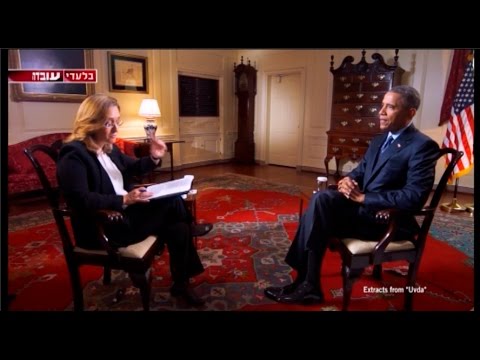
I wouldn't buy any used junk from this liar's Alte-Zachen...
* From Clooney to Clinton: 20 revelations from Michael Oren’s new book
* An Inside Look At How Obama Killed The U.S.-Israel Relationship
* Michael Oren: US altered 40-year policy on ’67 lines without consulting Israel
* Netanyahu refuses U.S. request to disavow Michael Oren's claims Obama abandoned Israel
In my opinion, the real question isn't if the Israel-US relations will recover, but if the Israel-Democrats relations ever recover, or forever sink into the hands of the blood-libel anti-Semites that had driven us to this point.
A quick review of what Obama has caused:
* Loud and foul rebukes by top ranking Democrats from senate, congress and officials
* Protected Iran's nukes from Israeli preemption
* Reduced sanctions on Iran while they continue to sponsor world terror
* Force release of Palestinian terrorists for a few weeks of dead-end talks
* Prevent arms from Israel during war
* Put Israel status at UN at jeopardy with threatened support for multiple Palestinian maneuvers in security council
* Promote blood libels of congress support for Israel bought with "dirty jooo money"
* Destabilized Middle East: from Libya to Syria, from Egypt to Iraq, from Yemen to Afghanistan it is all going to shits thanks to Obama's policy
So, were those who warned against him in 2007-2008 wrong? In what way? He dares call himself the first Jew president to Israeli public on TV. This SCOAMF has no shame.
Sure - Israeli ties with US could recover, but looking at how top Democrats acted in the last 6.5 years and are still acting - one cannot be optimistic
I wouldn't buy any used junk from this liar's Alte-Zachen...
Monday, February 09, 2015
Obama gives Lebanon Army (controlled by Hezbollah) $25 million worth artillary, rifle ammo, mortar, M198
Observe the rainbow of peace that Obama is bestowing on the world.
First he creates yet another fake Bibi controversy, and the entire media is complicit in propagating his lies, and now this shit. Terrible, Democrats and Jews who voted Obama should all be ashamed of themselves.
US sends arms to Lebanese in bid to stem jihadi gains
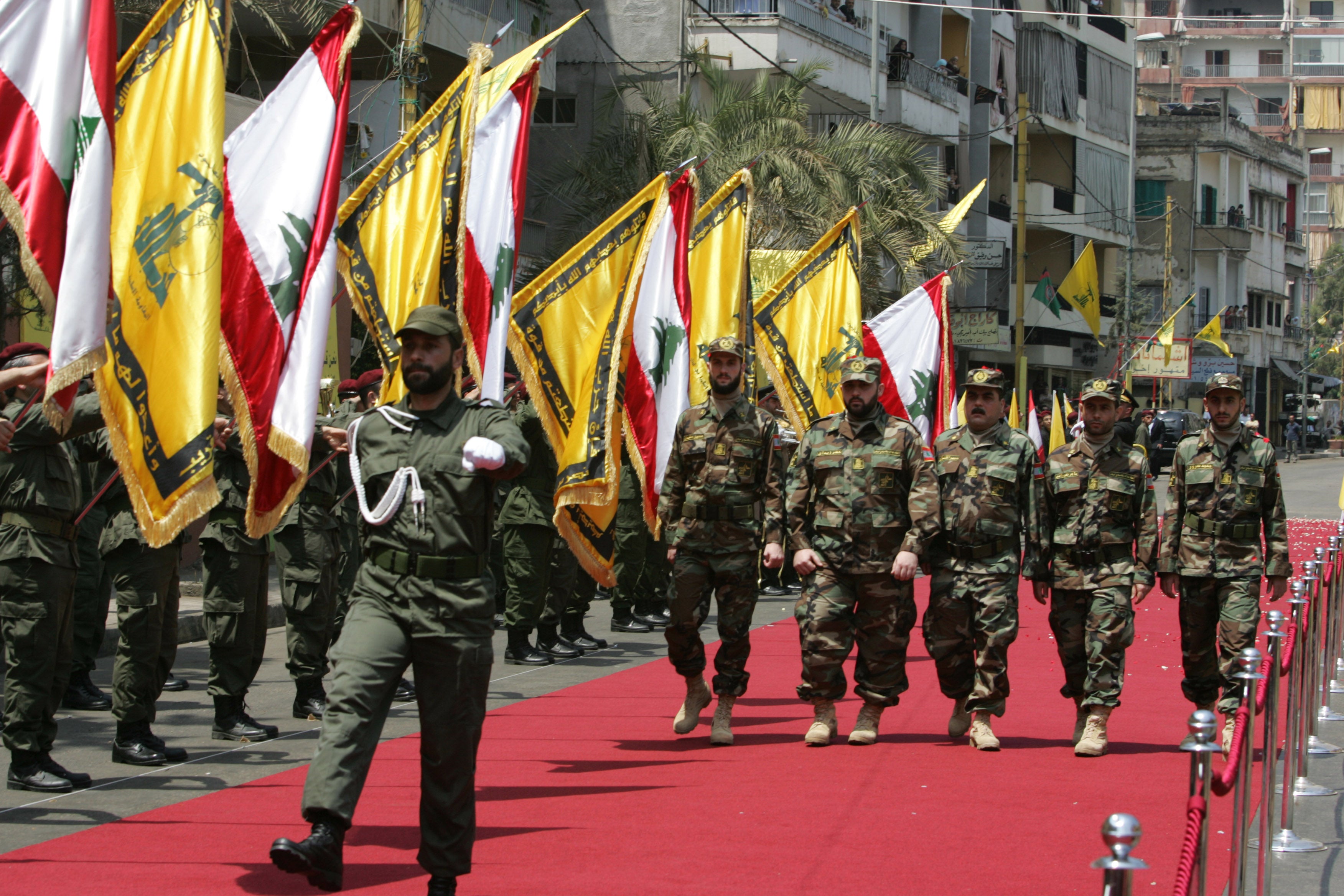
First he creates yet another fake Bibi controversy, and the entire media is complicit in propagating his lies, and now this shit. Terrible, Democrats and Jews who voted Obama should all be ashamed of themselves.
US sends arms to Lebanese in bid to stem jihadi gains
“The Lebanese military received 72 M198 power supply (howitzers), and more than 25 million rounds of artillery, mortar and rifle ammunition,” the official said on condition of anonymity. An AFP photographer at the Beirut port also saw several Humvees, howitzers, ammunition containers and other military vehicles arriving.
In a statement, the US embassy said the aid is worth $25 million, adding that the 26 million rounds of ammunition included small, medium and heavy artillery rounds.
“Support for the (Lebanese military) remains a top priority for the United States. Recent attacks against Lebanon’s army only strengthen America’s resolve to stand in solidarity with the people of Lebanon to confront these threats,” said the embassy.
It added: “The United States is providing top of the line weapons to the (Lebanese army) to help Lebanon’s brave soldiers in their confrontation with the terrorists.”
In recent months, Lebanon’s army has fought several battles against jihadists streaming in from across the restive border with Syria.
The deadliest battle took place last August in the border town of Arsal.
The jihadists withdrew after a deal brokered by Lebanese Sunni clerics, but they took with them more than two dozen army and police hostages.
Four of the hostages have since been executed, and efforts to release the remaining 25 appear completely stalled.
In 2014, Lebanon was the fifth largest recipient of US foreign military aid, the embassy said.
“In 2014 alone, the United States provided over $100 million to the (Lebanese military), adding to the $1 billion in assistance provided… since 2006,” said the statement.
Tuesday, January 13, 2015
Jon Stewart maligns Israel as cartoonist jailing villains
It only takes 2 seconds and a slide, but the guy is doing great work for the Anti-Semites out there.
In a rant about Obama skipping French anti-Terror rally, Stewart tries to lampoon those who did attend, and while criticism of Russia, Turkey and Saudi is based in well known and established facts, Stewart placed Israel in the same shameful raw, the comment is made around the 5th minute of the video:
Try to find this article - and mostly you'd find Arab propaganda blogs. The only one non Arab source I found was a "Haaretz" article. Haaretz doesn't actually bother to get the full story and practically republishes activists claims verbatim:
The art of solidarity with Palestinian prisoners
So all of the anti-Israel outlets spread one sided claims, without qualifying the claims of those who actually incarcerated the man. After serving his sentence he was released, and his publication were never stopped by Israel. But forget context or truth, or providing both sides of a story - let's just paint Israel as one of the dark places where freedom of expression doesn't exist. Right.
I have a solution for Arabs who don't want to be jailed by Israel: Stop supporting terror, work for peace, counter those who encourage terror - and make your leaders sign a peace treaty with Israel, or at the very least negotiate with some mandate for concessions.
In a rant about Obama skipping French anti-Terror rally, Stewart tries to lampoon those who did attend, and while criticism of Russia, Turkey and Saudi is based in well known and established facts, Stewart placed Israel in the same shameful raw, the comment is made around the 5th minute of the video:
Try to find this article - and mostly you'd find Arab propaganda blogs. The only one non Arab source I found was a "Haaretz" article. Haaretz doesn't actually bother to get the full story and practically republishes activists claims verbatim:
The art of solidarity with Palestinian prisoners
... Sabaneh, 34, from the Jenin district in the West Bank, was arrested by Israel on February 16 and held for the first two weeks in solitary confinement. He was not given access to a lawyer and only saw a Shin Bet interrogator, according to Qaddoura Faris, president of the Palestinian Prisoner’s Association, whose lawyers oversee the case. After a March 28 sentence charged Sabaneh with five months in jail and a NIS 10,000 fine for meeting “enemy elements” during a four-day trip to Jordan in February, Faris said that Sabaneh is not connected with any political movement and “in a real court he would not have been found guilty, but because it was a military court, it is very easy to find anyone guilty.”Gathering from the story told by the activists, he went to Jordan and was moving around money that wasn't his. He did meet with suspicious people but claims he didn't know who they were. Then the author of the article goes to discredit any response from IDF sources. Suggesting perhaps that Israel doesn't have real security concerns and just jails people - while its military court is invalid.
Sabaneh's attorney Jawad Bolous explained that when his client was in Jordan, he had agreed to pick up cash from a stranger who owed his brother money. Later, feeling uncomfortable about crossing the border with cash, Sabaneh called his brother and got an address of someone else whom his brother said he could leave the money with. Sabaneh did not know either man and “not having had access to a lawyer [after his arrest] was very damaging to the whole process,” Bolous said, calling the indictment, with no evidence presented, “ridiculous.”
IDF sources said that Sabaneh’s sentence was based on evidence. Asked what the evidence was, the sources said that such information could not be revealed. Evidence is often secret in sensitive cases, they said. They declined to comment further.
...
So all of the anti-Israel outlets spread one sided claims, without qualifying the claims of those who actually incarcerated the man. After serving his sentence he was released, and his publication were never stopped by Israel. But forget context or truth, or providing both sides of a story - let's just paint Israel as one of the dark places where freedom of expression doesn't exist. Right.
I have a solution for Arabs who don't want to be jailed by Israel: Stop supporting terror, work for peace, counter those who encourage terror - and make your leaders sign a peace treaty with Israel, or at the very least negotiate with some mandate for concessions.
Tuesday, November 18, 2014
Time to call Evil by its name
How could you define the murderers, their families, and communities which sent them to murder Jews at a synagogue? How could such an act be labeled anything but Nazism. Today is a day we can reflect on Palestinian Muslim Arab moral values, and those who support them. I'm looking at all the British music and entertainment folks who side with these Nazis. I'm looking at the damned Swedish, Norwegian and British politicians who will stand and vote to form a Nazi state of Palestine, but will not raise their voice once in the last month to condemn the daily murderous acts Israelis face.
It's not racism to hate those who act daily to murder you. It's a fact - that Arabs in Israel mobilize and energize those who wish to murder Jews. It takes a special kind of mindset to not hate them. To think - this too shall pass. Except it hadn't passed in the last 100 years. People think that these days are amongst the worst the Jews have suffered in Israel. It is bad - and unfortunately those of us who remember know - it is AS bad, not not worse than previous waves of murderous terrorist attacks by Arabs.
Hebrew word of the day: Nevelot. Literally - Carcasses. Figuratively - villains.
Sheer Depravity

It's not racism to hate those who act daily to murder you. It's a fact - that Arabs in Israel mobilize and energize those who wish to murder Jews. It takes a special kind of mindset to not hate them. To think - this too shall pass. Except it hadn't passed in the last 100 years. People think that these days are amongst the worst the Jews have suffered in Israel. It is bad - and unfortunately those of us who remember know - it is AS bad, not not worse than previous waves of murderous terrorist attacks by Arabs.
Hebrew word of the day: Nevelot. Literally - Carcasses. Figuratively - villains.
Sheer Depravity
As the victims of this morning's massacre at a Jerusalem synagogue are laid to rest, more details emerge of the horrific killing-spree.
Monday, November 17, 2014
Back from Israel, guess where I stopped to eat?

I have no time to blog these days, but I did feel an obligation to stop by and taste their stuff.
Wednesday, August 20, 2014
Photo of surviving Hamas terror chief Muhamad Deif vacating at the beach, UPDATE: Foxnews report Deif Dead
In the Hamptons I think:

Update 1:
Bonus update, Israel misses opportunity to eliminate a lot of terrorists in one shot - because of that silly "humanitarian moral guidance" or something... think of this the next time Israel is accused of indiscriminate killing of "civilians":

Update 2:
Fox news: Hamas’ military chief believed to have been killed in airstrike, sources say
And for anyone who needs this explained: This post started with a reference to week-end at Barney's movie, because Hamas immediately began with claims of Deif still being a living terrorist, where it appears now he is a walking corpse terrorist, running around, yelling: "I kill you!"
Update 1:
Bonus update, Israel misses opportunity to eliminate a lot of terrorists in one shot - because of that silly "humanitarian moral guidance" or something... think of this the next time Israel is accused of indiscriminate killing of "civilians":
Update 2:
Fox news: Hamas’ military chief believed to have been killed in airstrike, sources say
Hamas' military chief is believed to have been killed in an airstrike in Gaza early Wednesday, Israeli intelligence sources tell Fox News.
Israeli officials said Wednesday the country's military targeted Mohammed Deif after militants fired rockets at Israeli cities just hours before a temporary cease-fire was set to expire.
The Times of Israel reported that a house believed to be the home of Deif was hit early Wednesday. Dief has escaped numerous Israeli assassination attempts in the past. It was not immediately clear whether he was there at the time of the attack. The paper also reported that the strike killed Dief's wife and infant son.
Israeli government officials expressed support for the operation throughout the day Wednesday.
Justice Minister Tzipi Livni told the news website Ynet that "[Dief's] his liquidation is not just legitimate but desirable, in my opinion."
Science and Technology Minister Yaakov Perry, a former head of the Israeli security agency Shin Bet, told Israel's Army Radio that "if there had been intelligence that Mohammad Deif was not in that house, we would not have blown it up."
And for anyone who needs this explained: This post started with a reference to week-end at Barney's movie, because Hamas immediately began with claims of Deif still being a living terrorist, where it appears now he is a walking corpse terrorist, running around, yelling: "I kill you!"
Thursday, August 14, 2014
Obama the great solves the Israeli-Arab conflict, brings world peace, by halting ammo/arms to Israel while 4 million Israelis sit in shelters as Hamas bombards them
Obama the great solves the Israeli-Arab conflict, brings world peace, by halting ammo/arms to Israel while 4 million Israelis sit in shelters as Hamas bombards them.
At some point, we have got to stop being surprised by this administration. This guy in the WH is really as bad as we have anticipated, and everything told about his treatment of Israel in the past 6 years is true. When he said to Friedman in that interview last week that he's not worried about Israel's survival - you could have taken that to mean the worse, because he really doesn't care, and is working hard to make the situation even worse.
Report: US halted weapons transfer to Israel during Gaza offensive

Is that Obama in the middle?
At some point, we have got to stop being surprised by this administration. This guy in the WH is really as bad as we have anticipated, and everything told about his treatment of Israel in the past 6 years is true. When he said to Friedman in that interview last week that he's not worried about Israel's survival - you could have taken that to mean the worse, because he really doesn't care, and is working hard to make the situation even worse.
Report: US halted weapons transfer to Israel during Gaza offensive
Is that Obama in the middle?
Amid tensions between Netanyahu and Obama, the US halted transfer of 'Hellfire' air-to-surface missiles, 'Wall Street Journal' reports.
Amid diplomatic tensions between US President Barack Obama's administration and Prime Minister Binyamin Netanyahu, the US halted a shipment of air-to-ground missiles to Israel last month during Israel's offensive in the Gaza Strip, according to a report in the Wall Street Journal.
In July, Israel requested "through military-to-military channels a large number of Hellfire missiles", a first batch of which was about to be released to Israel, the Wall Street Journal reported, citing Israeli and American officials.
But the Pentagon immediately put the shipment on hold, and top officials at the White House instructed US defense agencies to consult with the White House and the State Department before approving any additional Israeli requests, according to the report.
A senior Obama administration official was quoted in the report as saying the decision to scrutinize future transfers at the highest levels amounted to "the United States saying 'The buck stops here. Wait a second…It's not OK anymore."
The report depicted a context of poor relations between Obama and Netanyahu and claimed that the decision to halt the weapons transfer was made at a point when the White House and State Department became "increasingly disturbed by what they saw as heavy-handed battlefield tactics that they believed risked a humanitarian catastrophe," in Gaza.
Thursday, August 07, 2014
Dumb question
How would you fare as a top world diplomat? Suppose you would be faced with the following scenario:
Your population is threatened with indiscriminate bombardment unless you let a terrorist group have a sea port. Do you:
A. Give the terrorists a sea-port, so they can acquire more rockets
B. Beg the terrorists not to fire
C. Let the terrorists bombard first, then consider non-effective retaliation into empty dunes
D. Eliminate the terrorists
Somehow - the answer to that question is illusive to today's global decision makers in US/EU/UN/UK and thus in Israel - they cannot proceed with the only viable reasonable option.
Your population is threatened with indiscriminate bombardment unless you let a terrorist group have a sea port. Do you:
A. Give the terrorists a sea-port, so they can acquire more rockets
B. Beg the terrorists not to fire
C. Let the terrorists bombard first, then consider non-effective retaliation into empty dunes
D. Eliminate the terrorists
Somehow - the answer to that question is illusive to today's global decision makers in US/EU/UN/UK and thus in Israel - they cannot proceed with the only viable reasonable option.
Tuesday, August 05, 2014
Video: Gaza war in a nutshell; Hamas places rockets outside hotel,media doesn't report until allowed out of Gaza
Via Israel-Matzav
They fired from that densely populated location before, Israel warned the opposite hotel to evacuate and eventually didn't retaliate.
This should be rebroadcasted around the world - this is what this entire war was conducted like. This is why there so many dead Arabs.
They fired from that densely populated location before, Israel warned the opposite hotel to evacuate and eventually didn't retaliate.
This should be rebroadcasted around the world - this is what this entire war was conducted like. This is why there so many dead Arabs.
Tuesday, July 29, 2014
Israeli ch1 publishes harsh conversation between Obama and Netanyahu (Now disputed by White House and Israeli PM)
The video below is in Hebrew, I'll quickly translate screenshots of the highlights:
Video in Hebrew below:
Update: - everyone denies. Which doesn't debunk it. In my opinion, most Israelis believe it to be true, as Israeli channel 1 has a high level of reliability and trust. Most everyone understands that the Israeli PM has to deny it to save face and maintain US relationship. Despite all that has happened, the USA is still the only power who stands with Israel at the UN. While Canada expressed strong support, it doesn't carry as much power at the UN.
American opinion makers and journalist doubt this conversation transcript due to its "cartoonish conversational" way, no one speaks this way. Except that they do understand it's a 3rd generation translation, and a condensed version of a 35 minute conversation - as was reported.
Last word - I don't claim anything regarding the truthfulness of the report on Israeli channel 1, nor am I promoting a conspiracy. I'm stating my opinion, based on what we've heard so far - Israelis are likely to believe the report as was broadcast.
- Obama: I demand Israel agree to unilaterally cease fire and stop all offensive actions, in particular the air born ones.
- Netanyahu: What would Israel get in return to ceasing fire unilaterally?
- Obama: I believe Hamas will stop firing rockets, quiet for quiet.
- Netanyahu: Hamas broke all 5 prior cease fires and is a terror organization dedicated to destruction of Israel.
- Obama: I repeat, I expect Israel to stop all of its military actions unilaterally. The destruction images from Gaza further world opinion from Israel's plight.
- Netanyahu: Kerry's proposal was completely unrealistic and gave Hamas military and diplomatic advantages.
- Obama: In a week from ending Israel's military actions, Qatar and Turkey will begin negotiating with Hamas based on 2012 understandings, in which Israel is committed to lifting siege and limitations on Gaza.
- Netanyahu: Qatar and Turkey are Hamas's biggest supporters. They cannot be relied upon as just negotiators
- Obama: I trust Qatar and Turkey... Israel is not in a position to choose their mediators.
- Netanyahu: I'm protesting/alerting that Hamas can continue launching rockets and utilizing the tunnels for terror attacks...
- Obama, cutting Netanyahu off and speaking in a dismissive manner: The ball is in Israel's court, and it must stop all of its military actions.
Video in Hebrew below:
Update: - everyone denies. Which doesn't debunk it. In my opinion, most Israelis believe it to be true, as Israeli channel 1 has a high level of reliability and trust. Most everyone understands that the Israeli PM has to deny it to save face and maintain US relationship. Despite all that has happened, the USA is still the only power who stands with Israel at the UN. While Canada expressed strong support, it doesn't carry as much power at the UN.
American opinion makers and journalist doubt this conversation transcript due to its "cartoonish conversational" way, no one speaks this way. Except that they do understand it's a 3rd generation translation, and a condensed version of a 35 minute conversation - as was reported.
Last word - I don't claim anything regarding the truthfulness of the report on Israeli channel 1, nor am I promoting a conspiracy. I'm stating my opinion, based on what we've heard so far - Israelis are likely to believe the report as was broadcast.
Monday, July 28, 2014
What do you do when you discover a wasps nest on your deck?
What do you do when you discover a wasps nest on your deck? You'd think the answer is simple
You must be lucky enough to not live in a country that starts with "I", and has a lot of people with an ethnicity that begins with "J". Because if if your ethnicity does begin with J, you must follow certain international standards that apply only to you:
You must be lucky enough to not live in a country that starts with "I", and has a lot of people with an ethnicity that begins with "J". Because if if your ethnicity does begin with J, you must follow certain international standards that apply only to you:
- You cannot restricts the wasps access to flowers, and must provide it with means to further build their nest
- You cannot consider retaliation against wasps when only one or two of your kids get hospitalized due to being stung and being allergic. No, you need consent from all of your non "J" ethnicity neighbors to contemplate retaliation against wasps.
- You cannot outright kill the nest, no matter what. There are innocent larva inside it.
- Every wasp you kill, will earn you scorn and condemnation in your community. You might be forbidden from shopping at your local grocery shop for a while.
- The neighbor across the street, whose ethnicity starts with "T", wants to send reinforcement wasps to your nest. Your retaliation or prevention will incur massive HOA penalties
Friday, July 25, 2014
Egyptian TV hosts dump on Hamas and their leaders
I wish I had the version with English subtitles. Everyone who understands Hebrew (subtitles) or Arabic can enjoy this. FINALLY! Some Arabs start telling the truth about Hamasholes.
Subscribe to:
Posts (Atom)